Static oven for cycles
of vulcanization elastomer

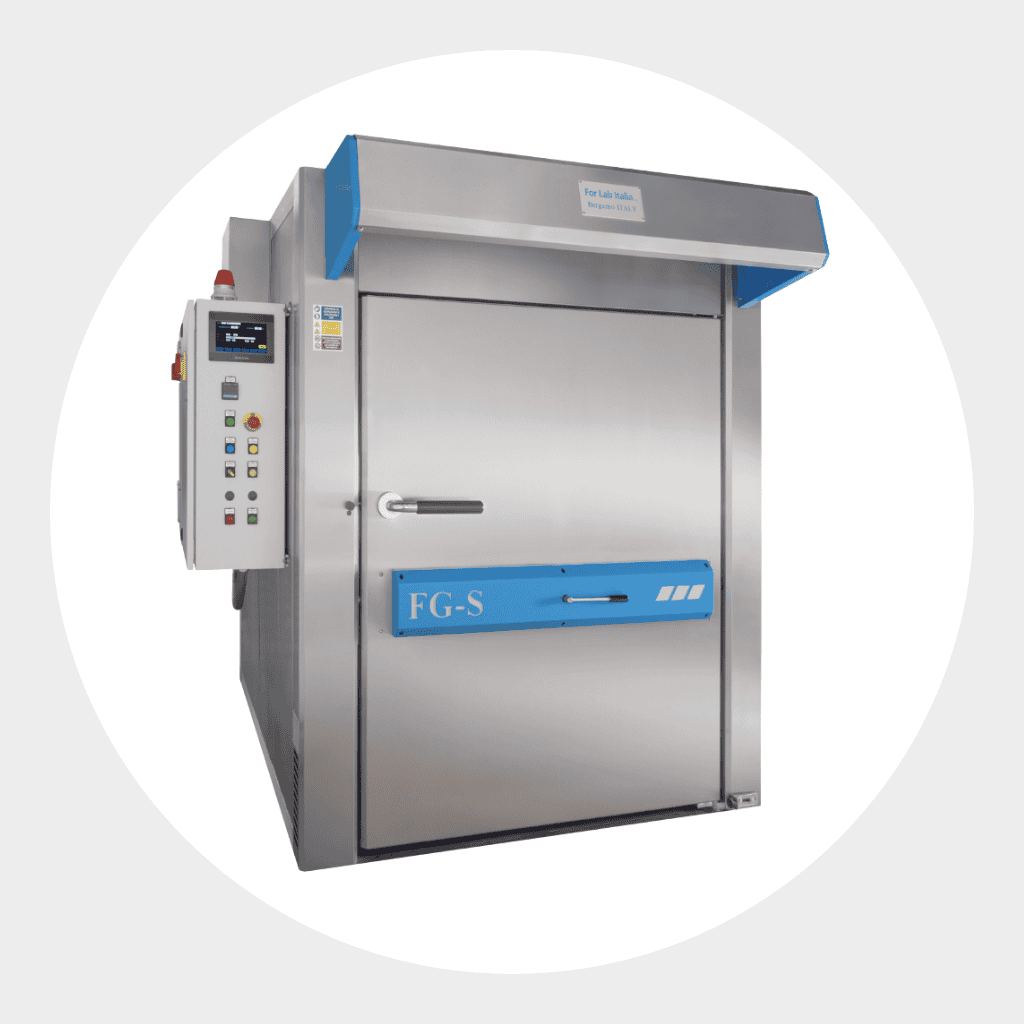
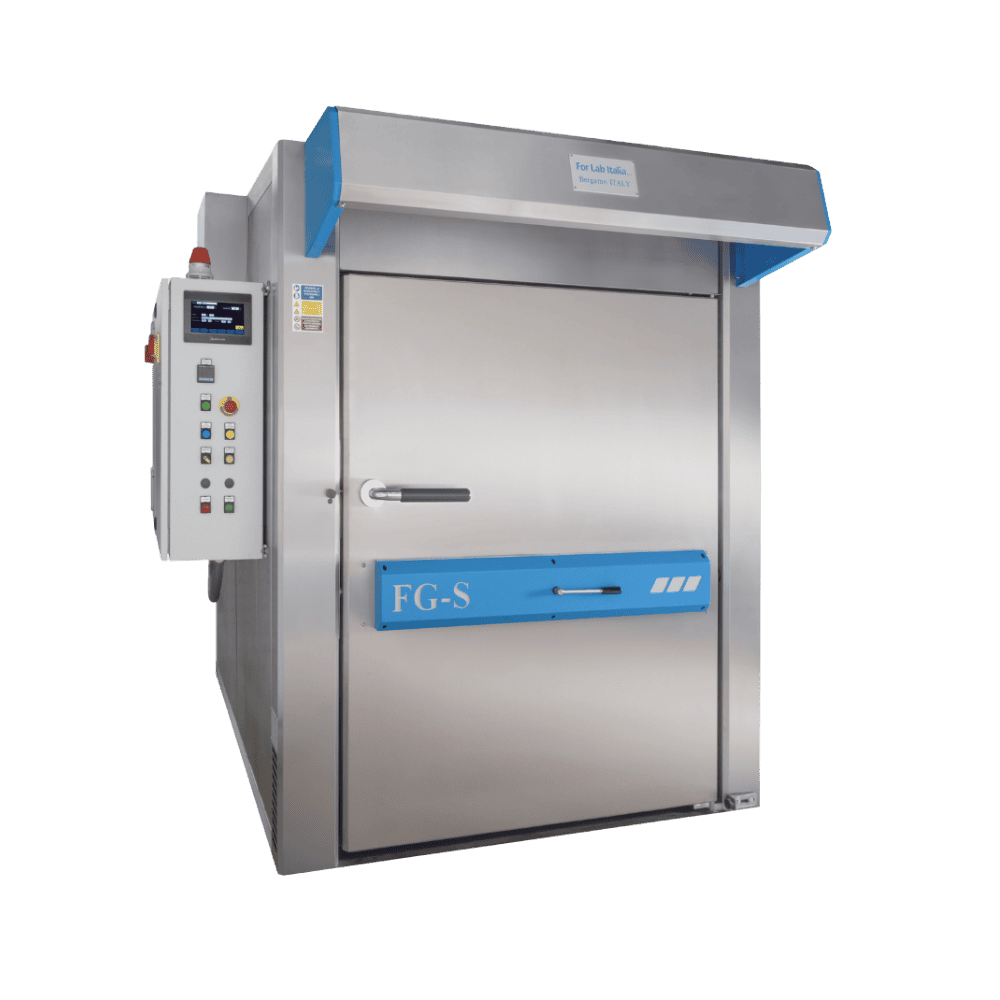
This oven has been studied to satisfy the technical specifications for the post-curing treatment of elastomer materials such as NBR, silicone, Viton, etc. that require temperature precision, homogeneity and absolutely air exchange.

In particular, the motors are highly efficient, the heating elements are highly dissipative and the ventilation is designed to achieve the highest degree of homogeneity and precision.
Furthermore, the oven can install (optional) an air/air exchanger that recovers the hot fumes at the outlet and pre-heats the cold air at the inlet.

The degree of recovery depends on various factors such as the operating temperature and the temperature of the incoming air, but it can be easily demonstrated that 15 to 40 °C can be recovered, equal to 25 % of total energy consumption.

Some details:

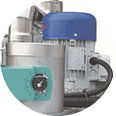
  • Manually adjustable air inlet valve
  • Easily removable external brush for inspecting insulation
  • Working chamber watertightness
  • Door seal with mineral fibre braid
  • Double safety system for high temperatures
  • Internal chamber temperature distribution: within +/- 5 degrees
  • Base with insulation
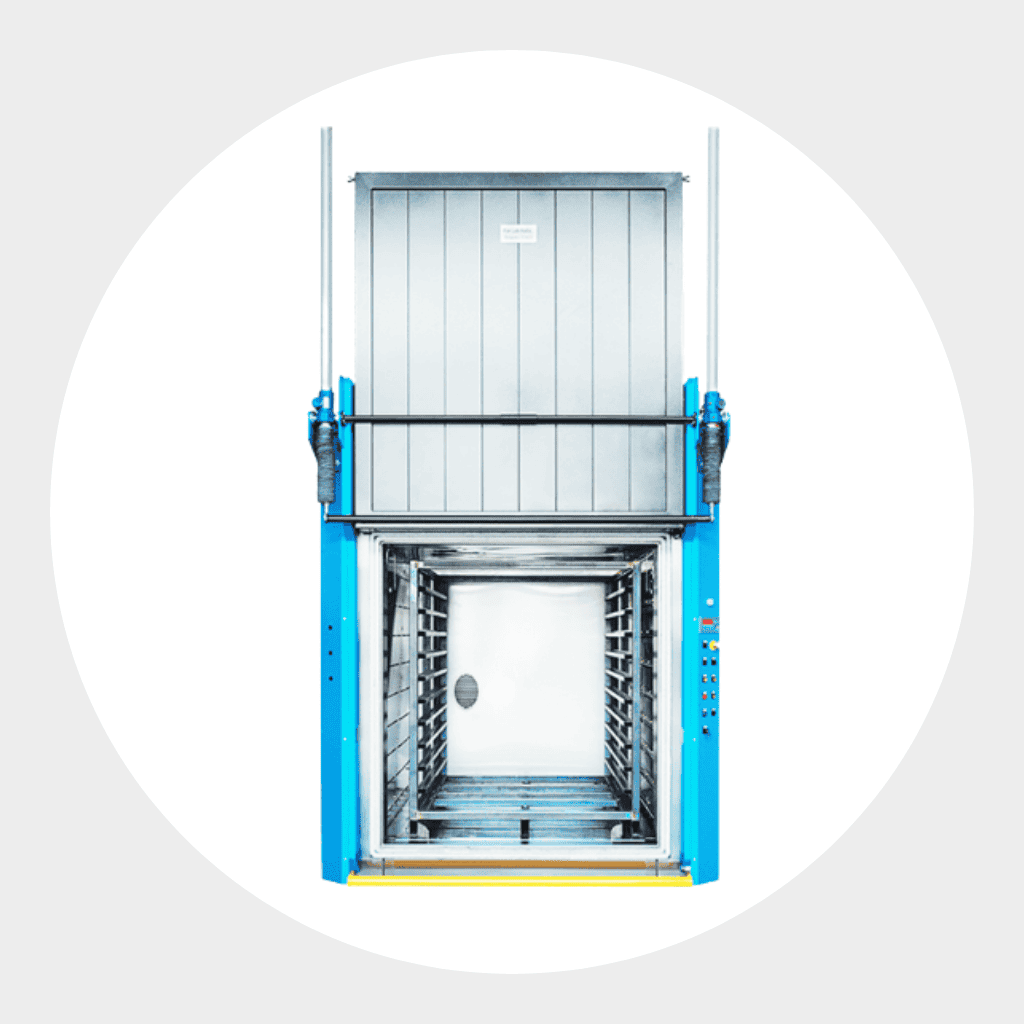
  • Elevating sloping floor for trolley entry

Construction data

Material: Stainless steel
Working temperature: Max: 250° C (300° C on request)
Gaskets: Fibreglass for high temperatures
Power: 18 / 36 Kw
Weight: 1,000 / 1,450 Kg
Internal brushing: Stainless steel
External brushing: Aluminised steel
Armoured heating elements: Stainless steel

Characteristics

The oven is characterized by the numerous characteristics that allow to improve the post- curing process.

car-1

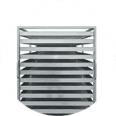
Internal flaps
for adjusting the air flow

car-4

Heat exchanger
allows considerable energy savings

car-2

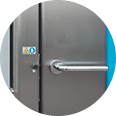
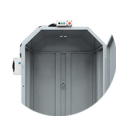
Motorized door

car-5

Control and regulation of incoming air

Icon-rotonda-ql5nfu5jrkcwltwtorz6d2yt7snuc8xrvh3tibs4nc

L.C.P. Valve
programmed chamber wash: expels the condensed fumes from the chamber.

car-6

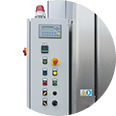
Siemens PLC thermoregulator
improves control and temperature regulation

Air exchange

Air circulation is the most important feature for ovens.
Good air circulation ensures uniform temperature distribution and, as a result, a shorter process time as well as higher product quality.

Our solution is to use clean air introduced at the fan intake, mix it with the hot air already circulating inside the oven, and then deliver it into the working chamber through adjustable dampers.
This makes it possible to regulate the correct amount of air and achieve optimal temperature distribution.

Safety systems

Although highly reliable, the possibility of a malfunction cannot be ruled out. For this reason, the electrical control panel is equipped with a second temperature controller, completely independent from the PLC and connected to a second temperature probe.
It is essential that it be set to a temperature at least 20 °C higher than the vulcanization temperature.

Siemens PLC control system

The system used is a Siemens PLC with the ability to store up to 49 programs. Thanks to Ethernet data output, the PLC can be interfaced with a PC. Dedicated software allows the oven to be managed completely remotely by “launching” post-vulcanization programs, viewing the temperature/time diagram, and storing the actual cycle while associating it with the batch code.

This solution is fully compliant with the requirements explicitly stated by Quality standards.
Alternatively, a Standard version of the programmer is available, which does not allow the storage of work programs.

As a further option, we can interface the PLC with the company management system (upon request and subject to evaluation by our IT department).

Technical features

  • Siemens PLC series 1211 with expansion for 1 PT100 (RTD) probe channel.
  • Siemens 24 V – 2.5 A stabilized power supply.
  • Siemens KP300 small monochrome operator panel.
  • Heating elements controlled by Gefran static relays, 25 A (or higher depending on the installed power).
  • Oven emergency protection Category 4 with safety module.
  • Gefran 600 controller for redundant oven temperature control with manual setting of the maximum operating temperature.
  • The entire oven is managed and controlled via the PLC.
  • Oven time setting mode in minutes, temperature without ramp, and threshold.
  • Maximum temperature alarm.
  • Provision for Flite_1200 single-direction recording program.

Programming modes:

  • Capability to load up to 49 programs.
  • Each block includes temperature set point, ramp time, soak (stable) time, and tolerance band settings.
  • Electrical drawings and corresponding electrical certification included.

Optional

optional-1

Shelves and trolleys
They facilitate handling. The removable shelves allow you to easily position materials to be treated

optional-2

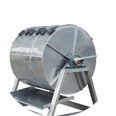
Rotating basket
Steel trolley with a rotating basket. Recommended for obtaining flatness of O-Rings and flat gaskets.

optional-3

Cooling station
Both for deck and trolleys with a rotating basket, it allows quick cooling of materials, freeing the oven for new production cycles.

optional-4

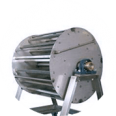
Basket with rods
Steel trolley with a rotating basket. Recommended for obtaining the flatness of O-Rings of larger dimensions.

cappa-aspirazione

Extraction hood installed on the door

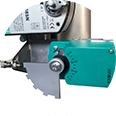
motore-raffreddamento

Quick cooling motor: It allows a much larger amount of ambient air to enter, reducing cooling times. Air intake device controlled by an ON/OFF valve operated by a PLC

scambiatore-calore

DESCRIPTION AND OPERATION:
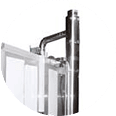
The heat exchanger kit is installed on the oven exhaust flue and makes it possible to achieve:

  • Energy savings
  • Reduction of dust and volatile pollutants contained in the fumes emitted by the process.

In the standard configuration, commonly available on the market, the oven draws air from the surrounding environment and heats it by means of electric heating elements up to the desired operating temperature.

For example, the ambient temperature is 20 °C, while the operating temperature is 200 °C. The resulting temperature difference is therefore 180 °C.

With our device, the outgoing air preheats the incoming clean air up to 40–50 °C (depending on the opening of the intake valve).

Energy savings can reach 20% to 30% of the maximum power of the oven in operation.

This process therefore allows the incoming air to be heated while simultaneously cooling the outgoing exhaust fumes.

As a result, there is a partial reduction of plasticizers, which condense and collect in a container located beneath the heat exchanger, significantly reducing (depending on the quantity and type of rubber) the emissions and visible smoke from the exhaust stack.
termostato-sicurezza

The sensor installed in the upper section of the working chamber is considered an additional protection to the safety thermostat supplied as standard.

The sensor is interfaced with the PLC, which automatically sets a temperature 30 °C higher (recommended value) than the vulcanization cycle setpoint.
If the temperature exceeds this value, the PLC immediately cuts power to the heating elements and the ventilation motor, and closes the valve installed above the exhaust pipe in order to prevent any possible fire from feeding the extraction ducts.

This device also allows a large amount of ambient air to be introduced into the oven chamber and then expelled through your extraction system. This helps keep the oven clean and improves the vulcanization process.

Time and duration settings are managed via a suitably programmed PC.

Composed of:

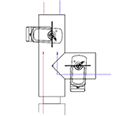
  • T-fitting with automatic ON/OFF valve;
  • Motorized valve for air intake regulation;
  • Installed safety thermostat.
barra-frontale

Incorrect work cycle settings or unforeseen accidental failures may cause fires in the material being processed. Overheating inside the chamber, in the presence of gases generated during the post-curing process, may also lead to unpredictable explosions, as they occur instantaneously.

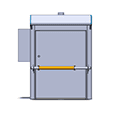
The FRONT SAFETY BAR is designed to prevent the door from being forced out of its housing due to a sudden increase in internal pressure.

The bar must be correctly positioned in order to close an electrical contact, which enables operation.

Technical data of some models

Model Internal
volume

(l)
Internal
dimensions

(cm)
Static
trolley

(ripiani / m2)
Rotating
trolley

(lit.)
FG-MINI 800 92 x 71 x 114 9 / 4 m2 200
FG-S 2.200 125 x 130 x 161 12 / 12 m2 650
FG-N 3.000 111 x 150 x 182 14 / 14 m2 600
FG-L 3.400 127 x 150 x 182 14 / 18 m2 850
FG-XL 4.900 174 x 150 x 182 28 / 27 m2 1.700
FG-XL MAXI 7.400 177 x 200 x 217 32 / 62 m2 2.500

WE ARE ABLE TO PROVIDE MADE TO MEASURE OVENS STUDIED TO SATISFY YOUR NEEDS

REQUEST A FREE QUOTE

We are at your complete disposal to design a customized solution

Our Ovens

Oven studied for the treatment of post-curing of elastomer materials such as NBR, Silicone, Viton, etc.

Max Temp. 200 / 300°C

Oven studied for the treatment of post- curing of elastomer, such as O-ring, for which flatness is required.


Max temp. 300°C

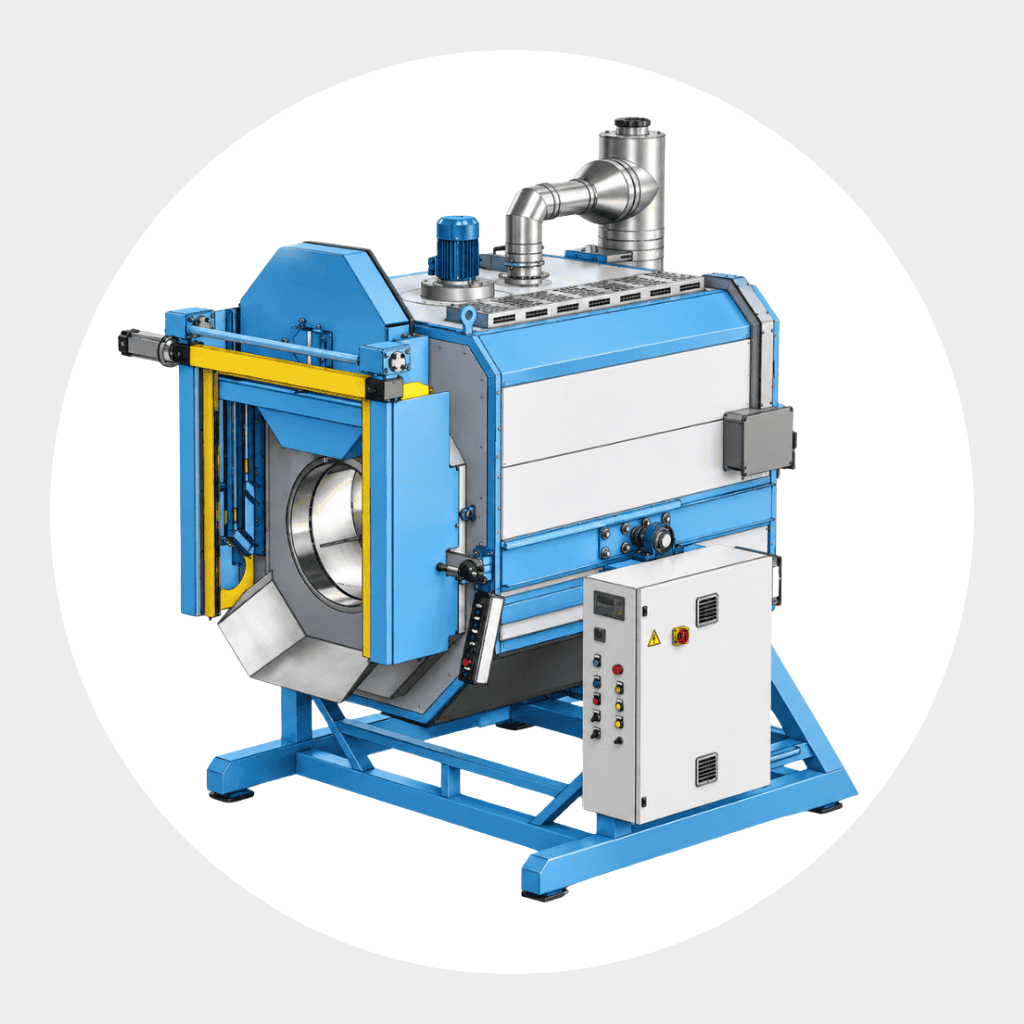
Oven studied for the specific application of sintering treatments on PTFE polymers.


Max temp. 450°C

Oven designed to hold the moulds before being installed on the press.

Max temp. 200°C

Our Stoves

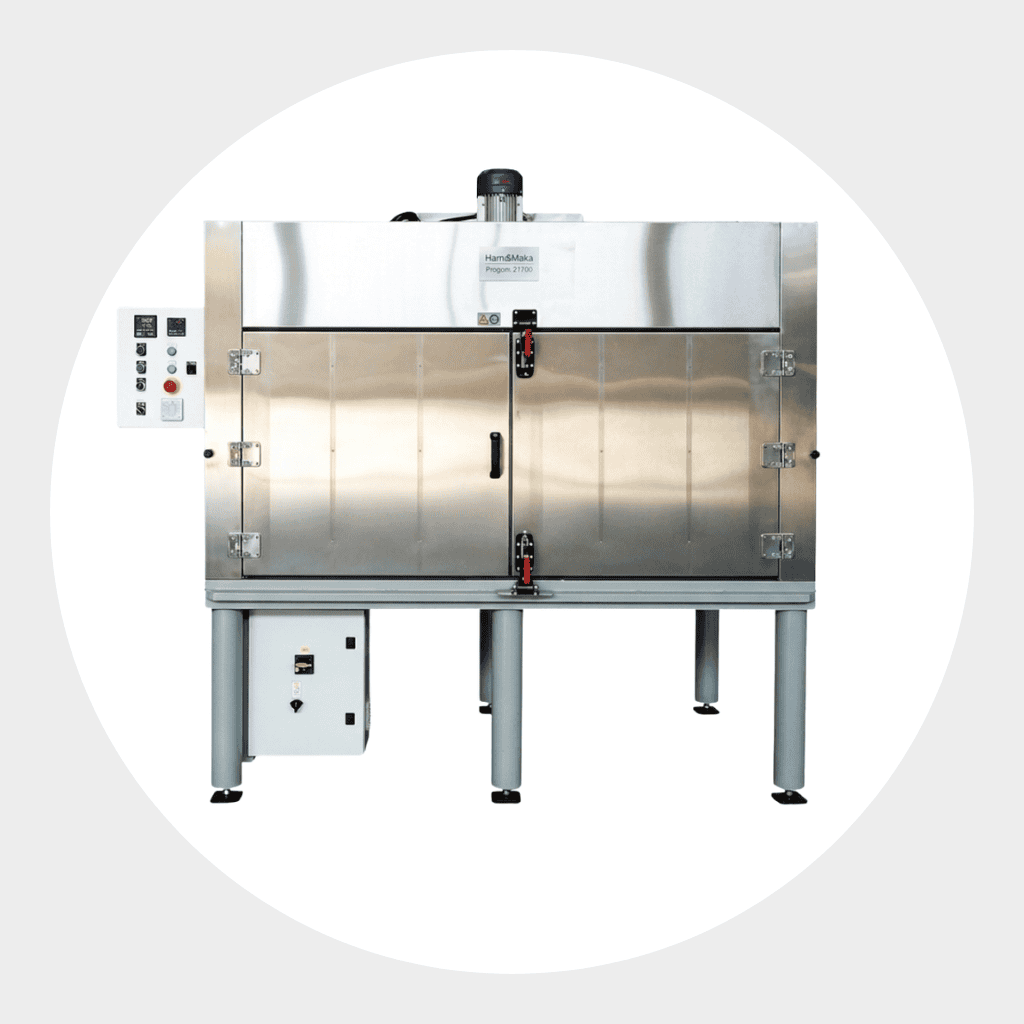
Avantgarde.Line drying and heating ovens with forced ventilation and advanced programming functions.

Max temp. 300°C

These chamber ovens equipped with an air circulation system are distinguished in particular by the excellent uniformity of the temperature that they allow to obtain.

Temp. max 850°C

Contact immediately our experts
for a free quote

Fill in the form below or call us at the number
+39 035 31.10.40


    * Campi obbligatori

    logo-forlab-footer.png

    We have specialized for 20 years in the supply and consultancy of
    scientific instrumentation for quality control and R&D laboratories.

    Via Fiume Po, 50 – 24040 Stezzano (BG)
    +39 035.31.10.40
    www.forlabitalia.it

    optional-1

    Carrelli a ripiani
    Facilitano la movimentazione. I ripiani estraibili consentono di posizionare facilmente i materiali da trattare

    optional-2

    Cesto rotante
    Carrello in acciaio con cesta rotante. Consigliata per ottenere la planarità degli O-Ring e guarnizioni piane.